Reels hooks: what to show, say and write in the first 3 seconds
Hook formats for the first 1 to 3 seconds of a Reel: visual, on-screen text and spoken, with examples for experts and brands, plus how to test hooks.
- A hook is the promise you make in the first seconds: what the viewer gets if they stay.
- The strongest hooks work on three layers at once: a moving first frame, short on-screen text and a spoken line.
- Instagram's own insights now show skip rate (people who leave in the first 3 seconds) and a retention chart, so you can see if a hook works.
- Trial Reels let you test two openings on non-followers before your audience sees either.
- A hook that oversells hurts you: Instagram does not recommend clickbait or engagement bait.
A Reels hook is what a viewer sees, reads and hears in the first 1 to 3 seconds that makes them decide to stay. The best hooks do three things at once: open on a frame that already moves, put a short promise on screen, and say a first line that gets to the point. Instagram head Adam Mosseri has said the first three seconds of a reel are super important, and you can now see in your own insights whether your opening holds people or loses them.
This guide covers the three layers of a hook, ready-to-use on-screen text for experts and brands, and a simple way to test hooks without risking your main audience.
Why the first seconds matter so much
On a full-screen feed, people decide fast. Mosseri's advice in the same interview was practical: the hook does not need to be bait, but it does need to earn attention, add on-screen text because many people scroll with sound off, and tell viewers what the video will cover.
Instagram also made the opening measurable. In 2025 it added a retention chart and a Skip rate metric to Reels insights. Skip rate is the share of viewers who scroll away before the first three seconds; the retention chart shows how many are still watching at each moment, and Instagram's guidance is that the flatter the line, the more engaged your audience.
Watch time counts beyond the opening too. According to Lindsey Gamble's report on a Mosseri video, Instagram looks at both the percentage watched and the total seconds viewed. A hook buys you attention; the rest of the video has to keep it. For the bigger picture, see how the Reels algorithm works in 2026.
The three layers of a hook
| Layer | What it is | Example | Common mistake |
|---|---|---|---|
| Visual | The first frame and the first movement | You walk into frame mid-sentence; a product lands on the table; a before/after split | A static wide shot while you "get ready" |
| Text | A few words on screen, readable in one glance | "Your Reels look cheap because of this" | A full sentence in small type that nobody finishes |
| Spoken | The first line you say | "Stop filming in front of a window. Here is why." | "Hi guys, so today I wanted to talk about..." |
The layers should say the same thing in different ways, not compete. If the text says "3 lighting mistakes", the first spoken line should start mistake number one, not introduce yourself.
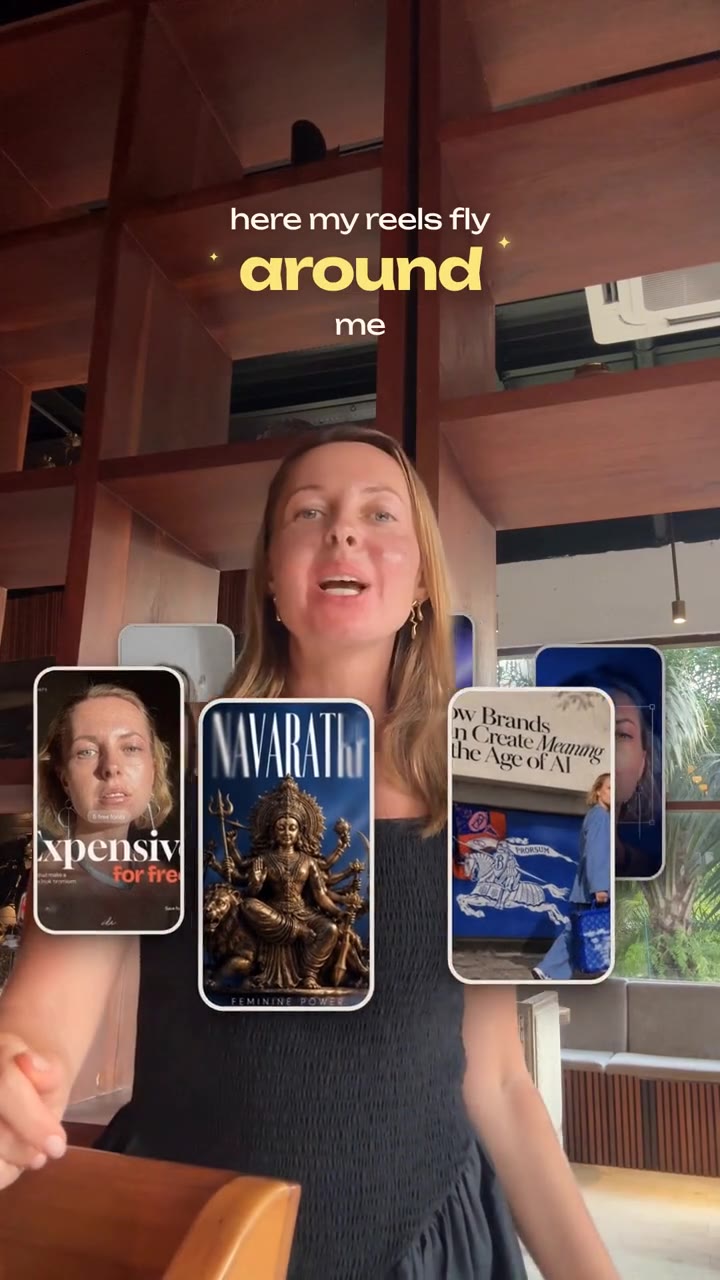
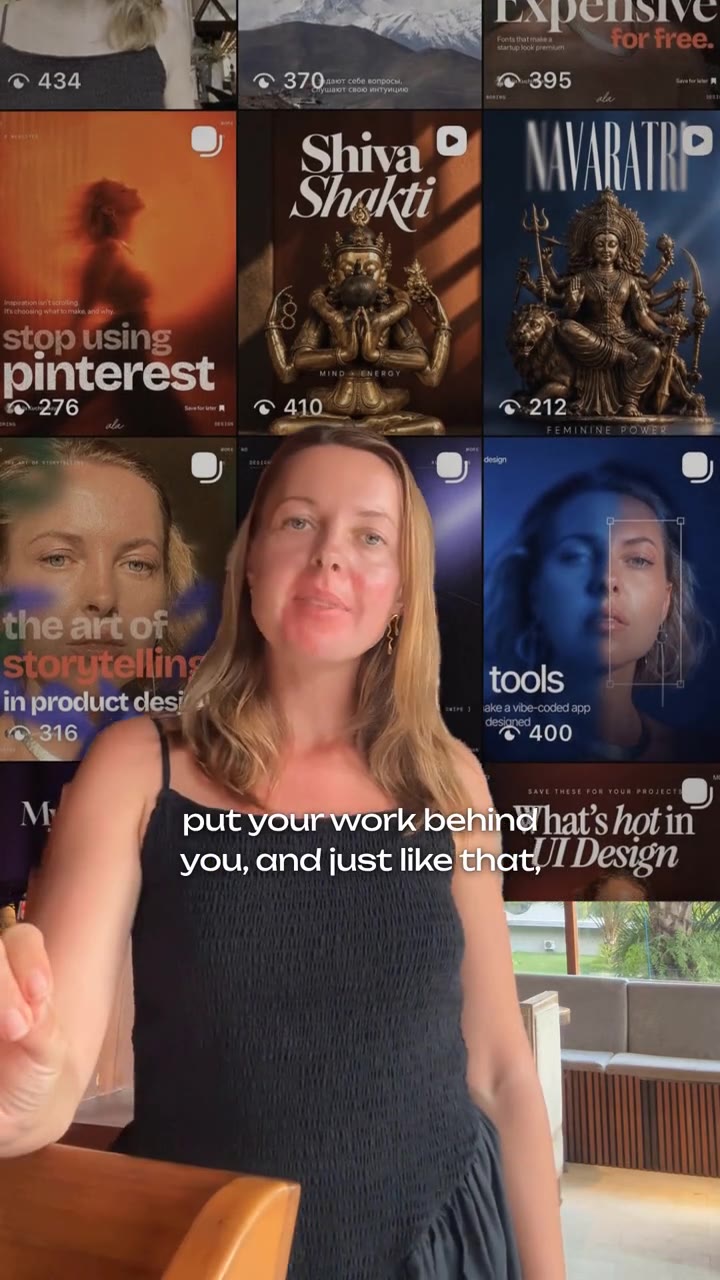
Tip: Movement in the first frame is a visual hook on its own. A cut that starts mid-gesture, a quick zoom on a key word or an effect like covers flying around you tells the eye "something is happening" before the brain reads a word.
On-screen hook text you can adapt
These are formats, not magic phrases. Swap in your topic and keep the promise honest.
For experts and coaches
- "The mistake I see in every [client type]"
- "Do this before your next [meeting / launch / pitch]"
- "[Common advice] is wrong. Here is what works instead."
- "3 questions to ask before you hire a [specialist]"
- "If you [specific situation], watch this"
For small brands and products
- "How we make [product] in 30 seconds"
- "What [price] actually pays for"
- "The [product] mistake our customers make most"
- "Packing 50 orders, real speed"
- "You asked: does it really [claim]? Test on camera."
For creators, designers and SMM managers
- "Same clip, two edits. Which one would you watch?"
- "Your captions are too small. Here is the fix."
- "I rebuilt this brand's Reels in one look"
- "Stop using this font in Reels"
Example: A nutrition coach filming in her kitchen. Visual: she is already slicing, not standing still. Text: "Breakfast that keeps you full till 2pm". Spoken: "Three ingredients, five minutes, and here is the trick with the eggs." The promise, the visual and the voice all point at the same payoff.
How to build a hook in five steps
- Write the payoff first. In one sentence, what does the viewer get by the end? The hook is a short version of that promise.
- Pick the first frame. Choose a moment that already moves or shows the result. Cut everything before it.
- Write the on-screen line. Keep it to one glance, high contrast, inside the area that Instagram's buttons and caption do not cover. Our guide to captions that keep people watching covers safe zones and type.
- Say the line in your first breath. No greeting, no "so". If you tend to warm up on camera, film it anyway and cut the warm-up later (here is how).
- Check the transition from hook to body. The second sentence should start delivering, or the viewer feels tricked and leaves.
How to test hooks with Trial Reels
You do not have to guess which opening is better. Instagram's Trial reels are shown to non-followers first, stay off your main grid, and give you views, likes, comments and shares after about 24 hours.
- Make two versions with the same body and a different first 3 seconds: for example, a text-led opening versus a result-first opening.
- When sharing, turn on the "Trial" toggle for each version. Post them a few days apart so they do not compete.
- Wait at least 24 hours, then compare views, shares and the retention chart, and look at skip rate in insights.
- Promote the winner. Share it with your followers in one tap, or let Instagram auto-share it if it performs well based on views in the first 72 hours.
- Write down what won and why. After a few rounds you will have your own hook rules, which beat any list on the internet.
| Compare | What it tells you |
|---|---|
| Skip rate | Whether the first 3 seconds stop the scroll |
| Retention chart shape | Whether the hook's promise carried into the body |
| Shares | Whether the idea was worth sending to someone |
| Views from non-followers | How the hook works on people who do not know you |
Note: If you do not see the Trial toggle, your account may not be eligible yet. Instagram points to its Help Center for current eligibility rules.
Hook mistakes that cost reach
- Overpromising. Instagram lists clickbait and engagement bait among content that is not eligible for recommendations. A hook should be a sharp promise, not a lie.
- Starting with a logo or intro animation. Your brand can come at the end.
- Text the eye cannot read in time. If it takes longer to read than the shot lasts, shorten it.
- Different hooks on every layer. One idea, said three ways.
- A great hook on a weak body. Skip rate improves, retention falls off a cliff a few seconds later.
A hook is also an editing job: cutting to the first strong frame, adding a title, timing a sound accent on the key word. Reel Maker does exactly these parts on a talking-head clip (a title/hook, word-timed captions, whooshes and pops on key moments, motion effects like Orbit), while you decide what the promise is.
Wrapping up
Treat your hook as a promise you can keep, deliver it on three layers, and let Trial Reels tell you which version wins. If you want an editor that handles the cuts, titles and accents while you focus on the idea, join the Reel Maker waitlist or follow along in our Telegram community.
Questions and answers
How long should a Reels hook be?
Aim to make your promise inside the first 1 to 3 seconds. Adam Mosseri has called the first three seconds of a Reel super important, and Instagram's skip rate metric measures exactly that window.
Do I need text on screen if I am talking?
Yes. Many people scroll with sound off, so a short line of text carries your hook even when your voice does not.
How do I know if my hook works?
Open the Reel's insights and look at skip rate and the retention chart. A sharp drop at the very start means the opening is not landing; a flatter line means people stay.
Is a shocking hook better?
Only if the video delivers on it. Hooks that promise something the video does not give count as clickbait, which Instagram lists as not eligible for recommendations.
Sources
- Inman: Head of Instagram reveals algorithm tips
- Social Samosa: Instagram adds Retention chart and Skip Rate for Reels
- Metricool: Instagram Reel analytics, retention and skip rate
- Lindsey Gamble: How Instagram weighs watch time for Reels
- Instagram for Creators: Trial reels
- Instagram for Creators: Recommendations and originality